
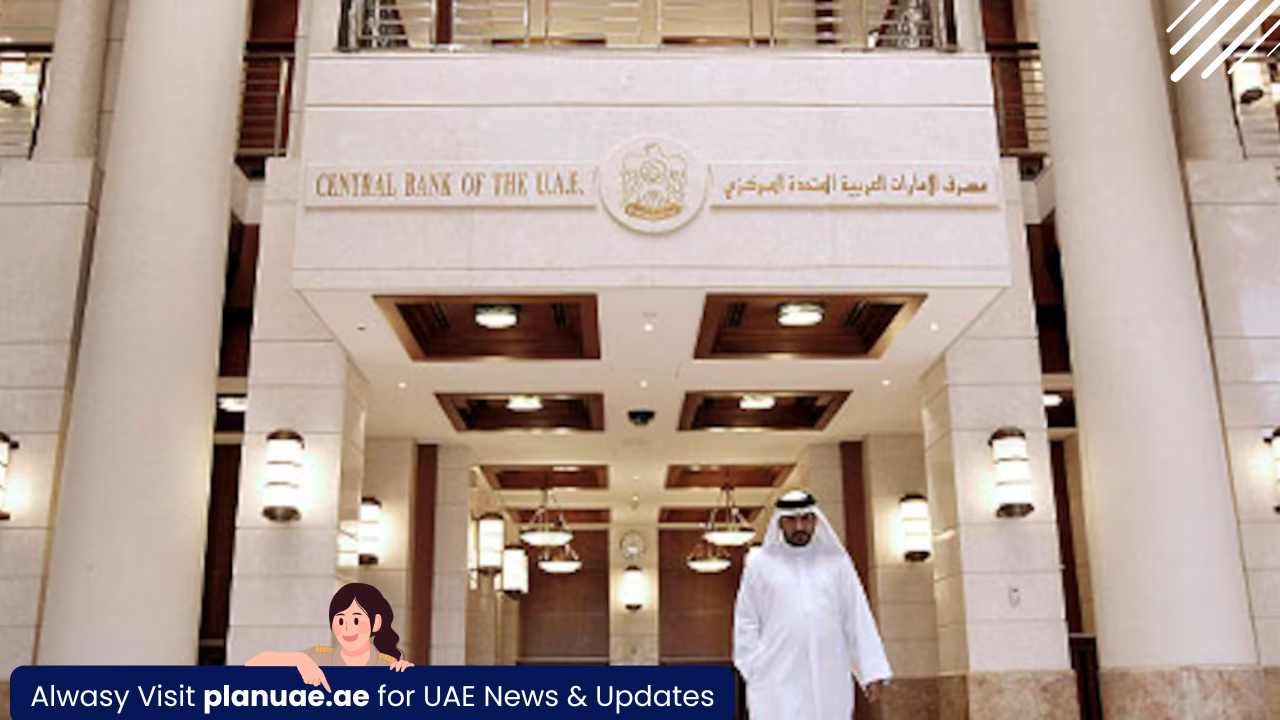

- Fines of 800,000 to 200 million dirhams for AML/CFT violations in 2025
- Permanent sanctions + heavy fines = no room for non-compliance!
- Strict in line with the UAE’s Financial Crimes Strategy 2024-2027.
- The UAE is vigorously implementing FATF standards.
In a sweeping move to enforce anti-money laundering (AML) regulations, the UAE Central Bank has levied fines totaling over AED 200 million against non-compliant exchange houses. This 2025 crackdown reflects the nation’s firm stance on financial transparency and global compliance. Here’s a breakdown of the penalties and what this means for residents and businesses. The hefty fines serve as a clear warning to other financial institutions to adhere strictly to regulations or face severe repercussions. As compliance becomes increasingly crucial, businesses and customers should stay informed about policies affecting their transactions, including the emirates nbd remittance fee details. By understanding these costs, residents can make more informed financial decisions and avoid potential penalties.
Why Is the CBUAE Imposing Heavy Fines?
In 2025, the Central Bank of the UAE (CBUAE) stepped up its crackdown on money laundering (AML) and the financing of terrorism (CFT). The crackdown has resulted in fines of millions to billions of dirhams being imposed on non-compliant exchange houses. These measures are crucial in maintaining the integrity of the financial system and ensuring a safe environment for both local and foreign investors. As a result, many exchange houses are reevaluating their operations and compliance protocols to align with strict regulatory standards, ultimately enhancing banking options for expats in UAE. This shift not only aims to deter illicit activities but also to foster a more trustworthy market for legitimate financial transactions.
This crackdown follows:
- Implementation of new strict AML/CFT guidelines in 2023.
- The UAE’s 2024-2027 National Strategy focused on preventing financial crimes.
- International pressure under which the UAE seeks to meet FATF (Financial Action Task Force) standards to avoid being placed on the “grey list”.
2025 UAE Exchange House Fines: A Timeline
| Date | Fine Amount (AED) | Violation Summary |
|---|---|---|
| July 2025 | 800,000 | Weak customer due diligence (CDD) |
| July 2025 | 4.1 million (total) | Three exchange houses penalized for suspicious transaction reporting failures |
| June 2025 | 3.5 million | Inadequate record-keeping & internal controls |
| May 2025 | 200 million | Major breach involving high-risk transactions |
| May 2025 | 500,000 + permanent ban | Branch manager sanctioned for negligence |
| Feb 2025 | 3.5 million | Failure in ongoing transaction monitoring |
What This Means for UAE’s Financial Sector
1. Zero-Tolerance Policy
The 200M AED fine in May 2025—the largest in recent years—proves the CBUAE’s hardened stance. Repeat offenders risk license cancellations. This development coincides with broader regulatory changes impacting the financial sector. In response to pressures for more stringent oversight, financial institutions are also facing potential shifts related to the uae banks minimum balance increase, which could further challenge compliance for many customers. As these measures unfold, banks may need to adapt their strategies to maintain customer loyalty and navigate the evolving landscape effectively. Moreover, the tightening of regulations is expected to push banks to innovate and enhance their offerings, particularly in digital services. This shift will likely lead to the emergence of new financial tools in the UAE, designed to meet the evolving needs of customers. As banks strive to comply with these regulations, they must also ensure that they provide adequate support and guidance to help their clients navigate the changing financial environment.
2. UAE Strengthening Global Reputation
By enforcing FATF standards, the UAE aims to:
- Exit FATF’s “Enhanced Monitoring” list (if applicable).
- Boost investor confidence in Dubai/Abu Dhabi’s financial hubs.
3. How Businesses Can Avoid Penalties
- Conduct regular AML audits.
- Train staff on 2023 CBUAE guidelines.
- Implement AI-driven transaction monitoring for suspicious activity.
Expert Insight: Why Compliance Matters
“The UAE is prioritizing transparency to maintain its status as a global financial leader. Exchange houses must upgrade compliance frameworks—or face severe consequences.”
— Ahmed Al-Mansoori, Financial Compliance Advisor (Dubai). This commitment to transparency extends to all financial sectors, including the emerging landscape of digital assets. As part of this initiative, an alternative investment platform overview will be introduced, showcasing compliant investment opportunities. Such measures are essential to attract global investors while ensuring robust regulatory adherence. In addition to enhancing compliance frameworks, the UAE is also focusing on consumer education to guide individuals in making informed financial decisions. This includes providing resources on how to deactivate Mashreq Neo account, ensuring that users can manage their investments effectively. By fostering an environment of understanding and accessibility, the UAE aims to bolster investor confidence and stimulate economic growth.
Is Your Business Prepared?
The CBUAE’s 2025 fines highlight a clear message: Comply or pay the price. Financial institutions must adopt proactive AML measures to avoid penalties. Failure to implement these measures can lead to substantial financial loss and reputational damage. Institutions should also ensure that their staff is trained in recognizing suspicious activities and understanding compliance requirements. Additionally, they may want to consider resources that guide them on how to open du pay account, which can enhance their operational efficiency and regulatory adherence. Furthermore, institutions should also explore various banking solutions, such as how to open emirates nbd salary account, to streamline payroll processes and enhance employee satisfaction. By integrating these banking services, organizations can further bolster their financial infrastructure while ensuring compliance with regulatory standards. This holistic approach will not only mitigate risks but also promote a culture of compliance within the organization.
Need Help with AML Compliance? Contact a UAE Regulatory Expert or Download Our Free Checklist. Understanding your obligations is crucial in maintaining compliance with AML regulations. One key aspect of this is grasping the concept of what is know your customer, which involves verifying the identity of customers and understanding their financial activities. By implementing effective KYC practices, businesses can mitigate risks associated with money laundering and ensure a safer financial environment.